Why I Built Gather the Family

Michael Robellard
Why I Built Gather the Family
2:45
I’ve spent years doing genealogy research the way most of us do: a subscription here, a desktop program there, a shoebox of scanned documents that never quite made it into any of them cleanly. Somewhere along the way I got tired of the same handful of problems — software that makes it easy to get your research in and hard to get it back out, “hints” that turn out to be someone else’s tree copied wrong, and AI features that feel bolted on rather than actually useful.
So I started building the tool I wanted to use myself.
Gather the Family is a modern, web-based genealogy platform built around two ideas that I don’t think get enough attention in this space:
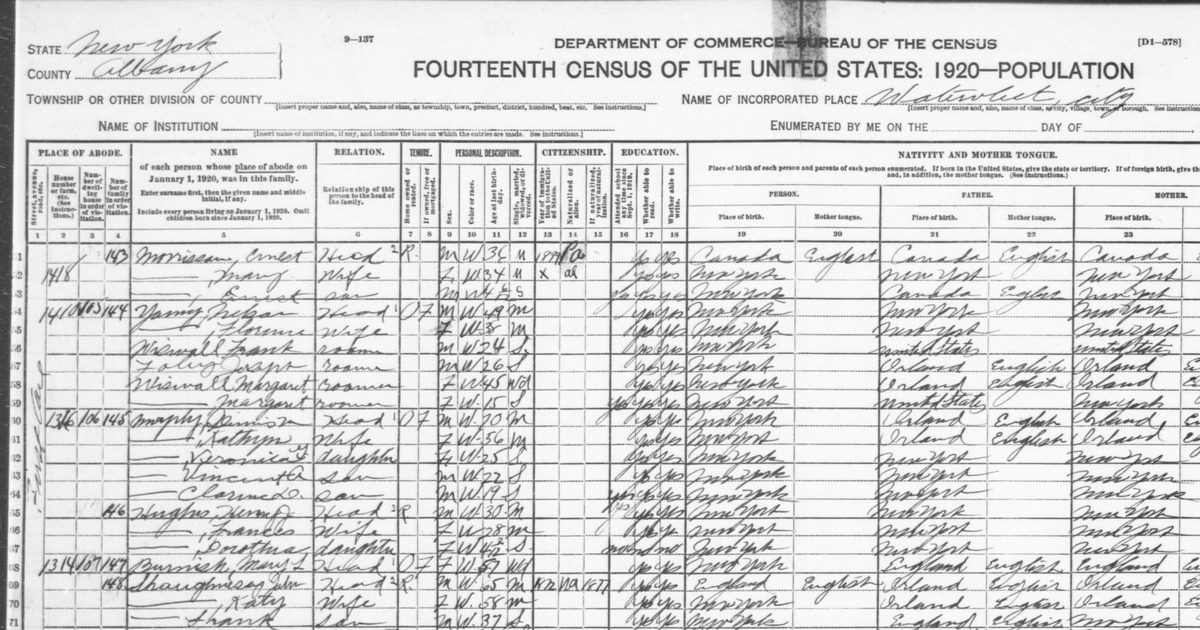
AI should do the tedious part, not the thinking part. Upload a census record, a birth certificate, a family letter — AI reads it, pulls out the names and dates and places, and shows you where it thinks that fits in your tree. You review it, you approve it, you cite it. The AI never gets to just decide something happened; it gets to save you the typing.
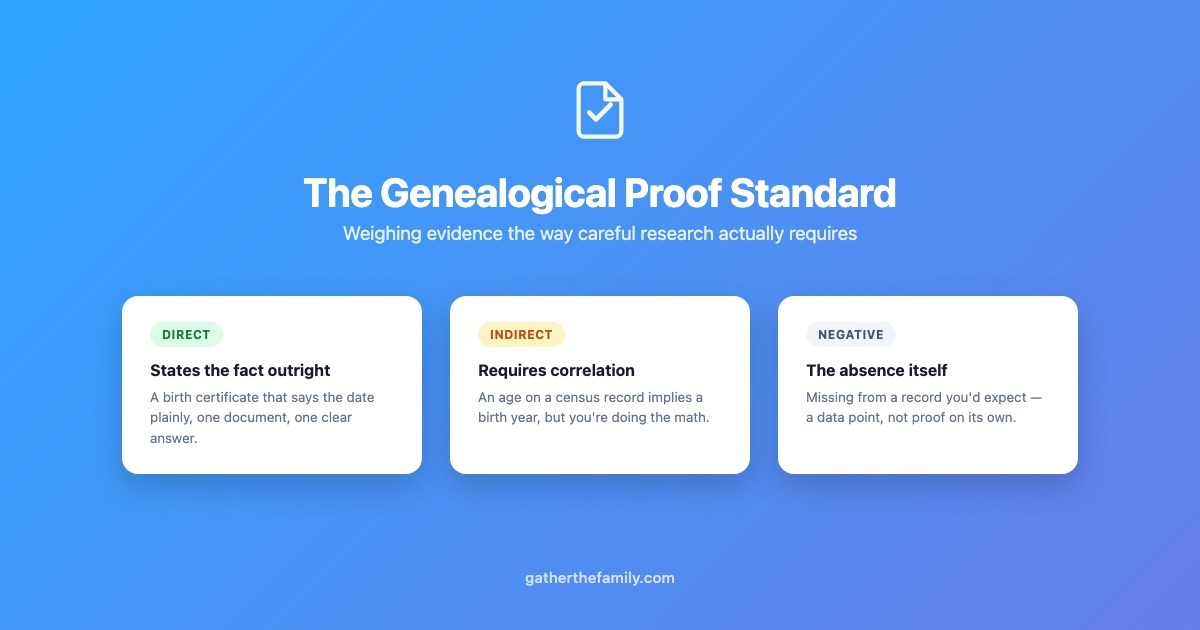
Data quality is a feature, not an afterthought. A review inbox that actually surfaces the untagged faces, the missing dates, the probable duplicates — instead of leaving you to stumble across them six months later. Citations and evidence classification that follow the Genealogical Proof Standard, because “probably right” and “sourced” are different things and your tree should be able to tell you which is which.
I’m building this as a small, sustainably-run operation — not chasing growth for its own sake, not backed by pressure to cut corners on your data to hit a number. That also means I’m honest about what’s not here yet: no billion-record database (you’ll still want Ancestry or FamilySearch for that), no DNA matching, and the desktop/mobile apps are still in progress.
What’s already live is a genuinely useful AI-assisted research workflow, real data portability (GEDCOM in, GEDCOM out, any size, free), and a commitment to responsible AI use that I’ll be writing about in detail as this blog goes on.
This blog is where I’ll share what I’m building, what’s working, what isn’t yet, and what I’m learning along the way — including the mistakes, because pretending a product never gets anything wrong is exactly the kind of marketing I’m trying not to do.
The next post digs into a real one: what actually happens when you point AI at 100-year-old handwriting, and why the honest answer is more interesting than the marketing-brochure version.
If you’re curious, the free tier has no time limit and no credit card required — I’d rather you try it and tell me what’s wrong with it than take my word for any of this.
— Michael